



Australia's Women's Health Is Declining. What Happens Next Matters.
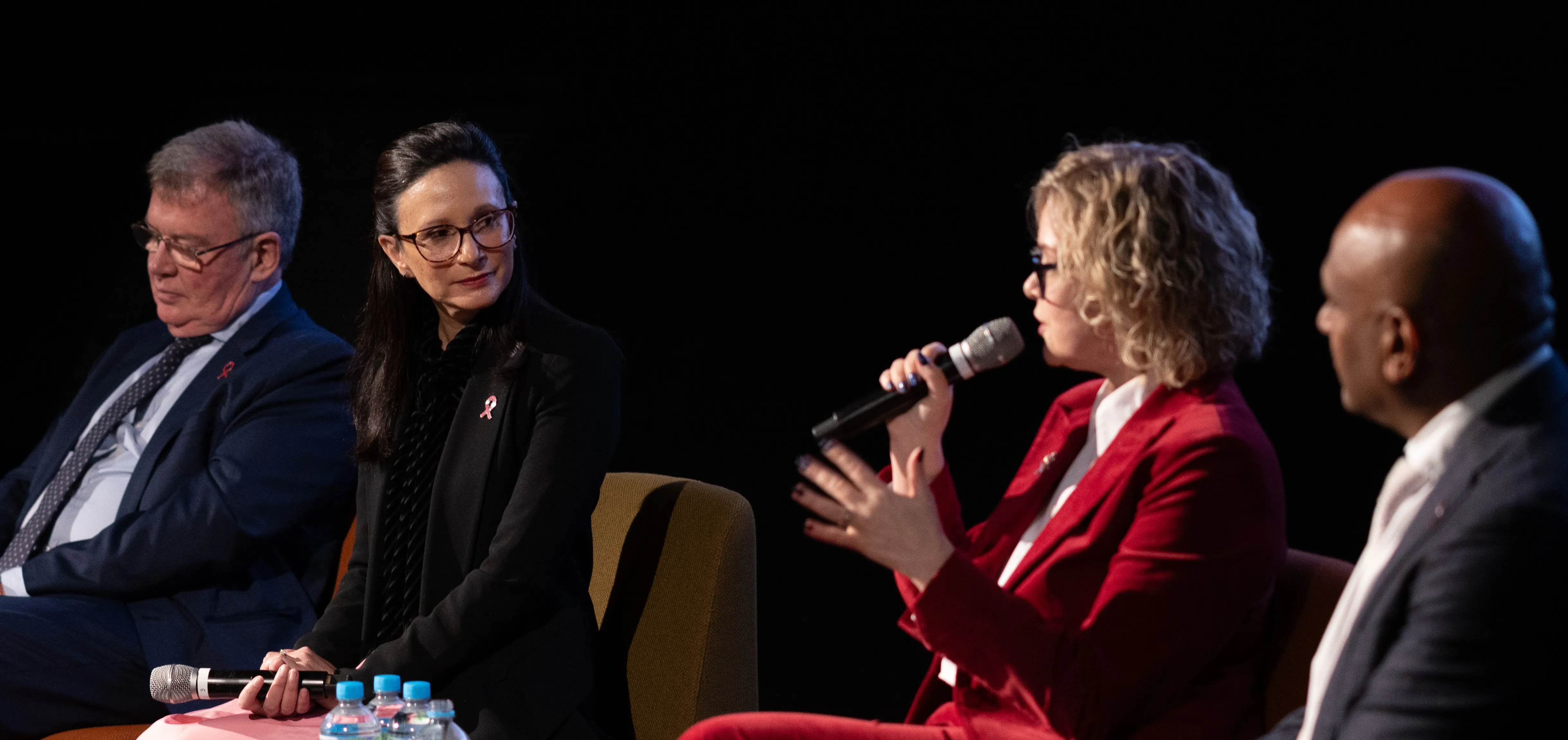
The latest Hologic Global Women's Health Index reveals concerning trends for Australian women, highlighting the need for greater focus on prevention, early detection, and long-term investment in women's health.
On 22 July 2026, healthcare leaders, advocates, clinicians, and media gathered in Sydney for the Australian launch of the Year 5 Hologic Global Women's Health Index. The event brought together data, expert perspectives, and personal stories to explore one critical question: how can we improve health outcomes for women at every stage of life?
What The Hologic Global Women's Health Index Tells Us
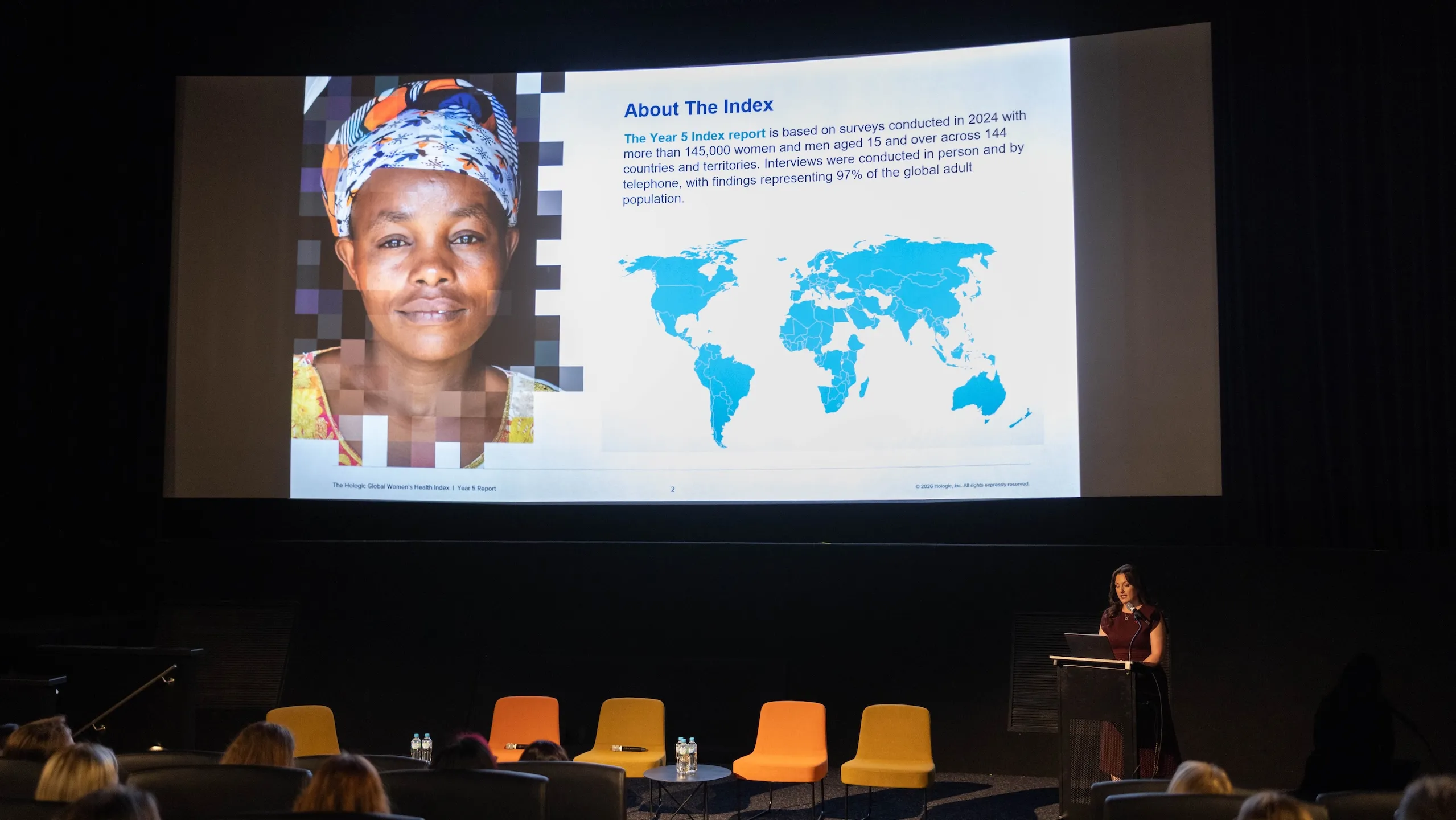
The Index is one of the largest global studies focused exclusively on women's health and wellbeing. Conducted by Gallup and commissioned by Hologic, it tracks health outcomes across 144 countries and territories, representing 97% of the world's adult population.
The Year 5 findings paint a concerning picture for Australia.
While Australia scored 59 out of 100, above the global average of 54, the country's performance declined across all measured dimensions compared with the previous year. This includes preventive care, emotional health, individual health, opinions of health and safety, and basic needs.
Several findings stood out:
- 52% of Australian women reported experiencing stress for much of the previous day.
- 41% reported feeling worry during the previous day.
- More than one in five women struggled to afford food in the previous year.
- One in nine women reported being unable to afford shelter in the previous year.
- Only 23% of Australian women reported receiving a cancer test in the past year.
These results reinforce that women's health extends far beyond healthcare alone. Economic security, mental wellbeing, health literacy, access to care, and preventive screening all play a role in shaping outcomes.
Quote from Kensi Naicker
The Hologic Index actually shows a concerning trend that no benchmark has returned to pre-COVID levels.
Moving Beyond The Data
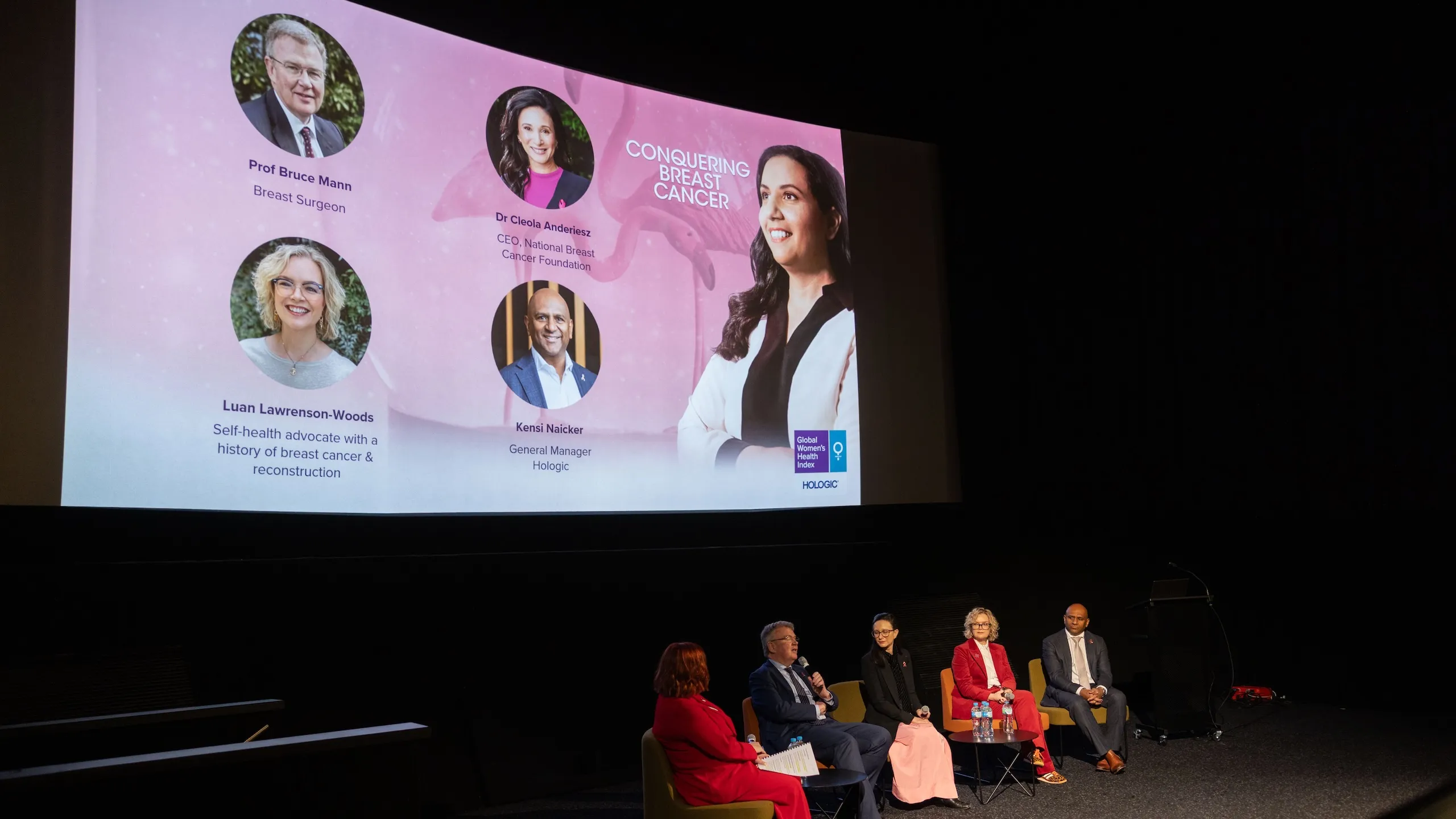
The launch event featured a panel discussion bringing together leaders from healthcare, research, advocacy, and lived experience to unpack the Index findings and explore opportunities for action. Panellists included Kensi Naicker, General Manager of Hologic Australia & New Zealand; Dr Cleola Anderiesz, CEO of the National Breast Cancer Foundation; Professor Bruce Mann, specialist breast surgeon and research leader; and self-help advocate with a history of breast cancer & reconstruction Luan Lawrenson-Woods, with the discussion moderated by Shelly Horton.
A consistent theme throughout the discussion was the importance of prevention and early detection. While advances in treatment continue to improve outcomes, many health conditions affecting women can benefit from earlier diagnosis and intervention.
The panel also highlighted the value of listening to women's experiences and using data to inform healthcare policy, investment, and clinical practice. By understanding both the statistics and the stories behind them, healthcare systems can better address the barriers many women face when accessing care.
The Human Story Behind Breast Cancer Statistics
Following the panel, guests attended a screening of Conquering Breast Cancer, a social impact documentary produced by Moonshine Agency with Hologic as Platinum Presenting Partner.
The documentary explores the realities of breast cancer across the patient journey, from prevention and early detection through diagnosis, treatment, survivorship, and recurrence. Through personal stories and expert insights, it brings a human perspective to one of the most significant health issues affecting Australian women.
The screening served as a powerful reminder that health data represents real lives. Every statistic reflects a woman, a family, and a unique experience navigating the healthcare system.
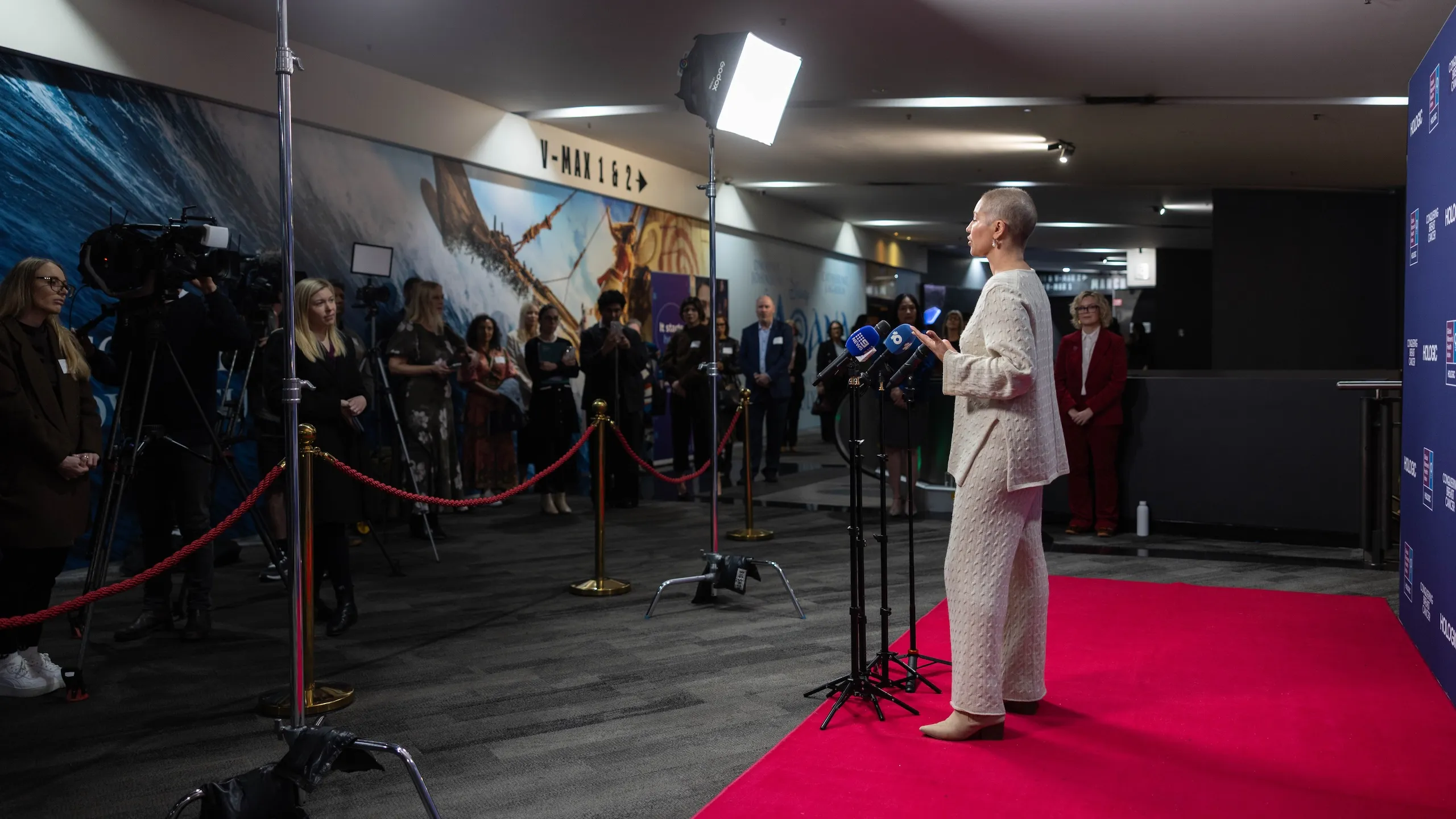
The event was further enriched by the voices of women who generously shared their own experiences and perspectives. Among them was Lynette Bolton, whose openness and advocacy about her current journey with breast cancer helped bring a personal dimension to the discussions throughout the launch. Her contribution reinforced the importance of listening to women's lived experiences and ensuring they remain at the centre of conversations about health, access to care, and early detection.
A Shared Responsibility
The findings from the Hologic Global Women's Health Index make one thing clear: improving women's health requires collective action.
Globally, the report calls for greater investment in women's health, expanded access to screening and early detection, efforts to address barriers such as poverty and health literacy, and the development of country-specific women's health strategies that support lifelong wellbeing.
Australia has made important progress in many areas of women's health, but the latest Index results show there is still work to do.
By combining robust data with lived experience, the Australian launch of the Year 5 Hologic Global Women's Health Index highlighted both the challenges facing women today and the opportunities to create better outcomes tomorrow.
The message from the event was clear:
Improving the health and wellbeing of women is a shared responsibility.
Progress will require collaboration across healthcare, government, research, industry, and communities to ensure every woman has access to the information, support, and care she needs throughout her life.
For more insight articles, visit the Hologic Innovation Exchange.
The Gallup World Poll is conducted annually in at least 140 countries. The primary method of data collection is through interviewer-administered surveys, many face-to-face, with telephone interviewing primarily used in high-income countries. Interviewers code a respondent’s gender as male or female based on their observations. This method is used due to the unique nature of interviewer-administered surveys, whereby an interviewer questioning a respondent’s gender is likely to be viewed as insensitive and offensive, substantially increasing the risk of survey breakoff. This risk is particularly acute in religiously and culturally conservative countries. Gallup and Hologic understand and acknowledge the complex nature of gender identity and continue to explore strategies to accurately code gender while balancing cross-cultural needs and continuing a globally consistent approach.
Year 1 data were gathered in 2020 and analysed in 2021. Year 2 data were gathered in 2021 and analysed in 2022. Year 3 data were gathered in 2022 and analysed in 2023. Year 5 data was gathered in 2024 and analysed in 2025.